
EV vs Hybrid vs Gas: Complete Comparison (2026)
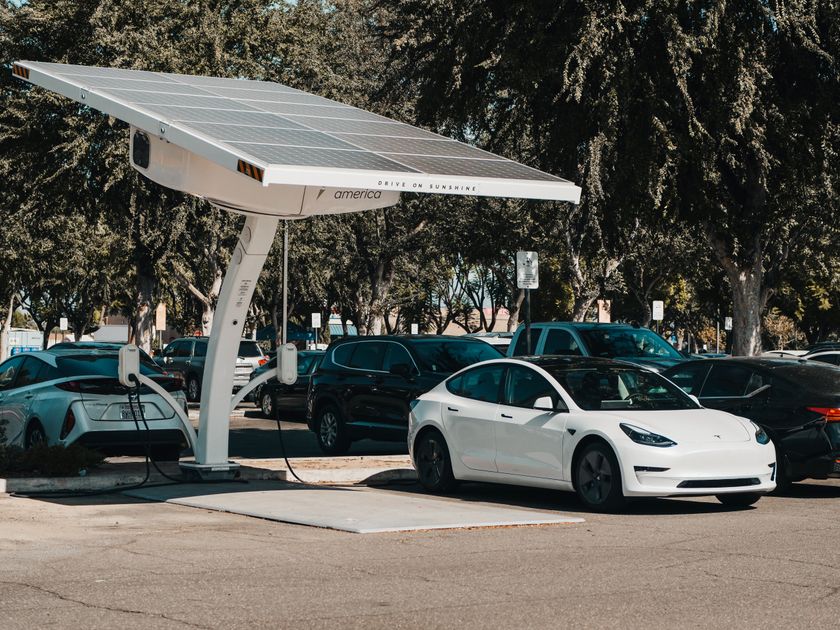
Photo by Kindel Media on Pexels
Quick note: SpaceRigel is an independent information site. We don’t sell vehicles. This article is educational only.
Choosing between EV, hybrid, and gas in 2026 depends on driving patterns, charging access, budget, and how long you’ll keep the vehicle. Each technology has clear strengths and trade-offs. This guide compares them across what matters.
At a Glance
| Feature | Electric (EV) | Hybrid | Plug-in Hybrid (PHEV) | Gas |
|---|---|---|---|---|
| Fuel | Electricity | Gas + small battery | Gas + larger battery | Gas |
| Charging | Required | None | Optional but recommended | None |
| Range (typical) | 200–400+ mi | 400–600 mi | 25–50 EV + 400 gas | 300–500 mi |
| Refuel time | 20 min – 8 hrs | 5 min | 5 min + plug at home | 5 min |
| Maintenance | Lowest | Medium | Medium | Highest |
| Purchase price (2026) | Higher | Modest premium | Modest premium | Lowest |
| Operating cost | Lowest | Low | Low (mixed) | Highest |
| Tax credits | Up to $7,500 | Some | Up to $7,500 | None typical |
Quick Definitions
- EV (BEV): Battery only, charges from grid
- Hybrid (HEV): Gas engine + small battery, never plugs in
- PHEV: Gas engine + larger battery, charges from grid for short EV-only range
- Gas (ICE): Internal combustion engine only
When Each Wins
EV Wins
| Profile | Why |
|---|---|
| Have home charging access | Most cost-effective |
| Daily commute under 100 miles | Fits range easily |
| Live in mild climate | Better range |
| Want lowest operating costs | Electricity cheaper than gas |
| Care about emissions | Zero tailpipe |
| Like new tech | OTA updates, etc. |
Hybrid Wins
| Profile | Why |
|---|---|
| Long unpredictable driving | Gas backup |
| No charging access | No plug needed |
| Best fuel economy without plug | 40–60 MPG common |
| Cheaper than PHEV | Lower battery cost |
| Reliable proven tech | Decades of refinement |
PHEV Wins
| Profile | Why |
|---|---|
| Daily commute under 50 miles | Most days = electric |
| Occasional long trips | Gas backup |
| Have charging at home | Use EV mode mostly |
| Want EV experience without range anxiety | Best of both |
| May not have charging at all destinations | Gas fallback |
Gas Wins
| Profile | Why |
|---|---|
| Lowest purchase price | Budget-conscious |
| No charging access | Avoid plug needs |
| Heavy towing / commercial | More options |
| Rural with limited EV infrastructure | Refueling everywhere |
| Cold climate / unpredictable | Less range concern |
Cost Comparison (5-Year Total Ownership)
For a typical sedan driven 12,000 miles/year:
| Cost Item | EV | Hybrid | PHEV | Gas |
|---|---|---|---|---|
| Purchase price | $40,000 | $30,000 | $35,000 | $28,000 |
| Federal tax credit | -$7,500 | -$0 | -$7,500 | -$0 |
| Net purchase | $32,500 | $30,000 | $27,500 | $28,000 |
| Fuel / electricity (5 yrs) | $2,000 | $4,500 | $3,000 | $7,500 |
| Maintenance (5 yrs) | $1,500 | $2,500 | $2,500 | $3,500 |
| Insurance (5 yrs) | $7,500 | $7,000 | $7,250 | $7,000 |
| Total 5-year cost | $43,500 | $44,000 | $40,250 | $46,000 |
For this scenario, PHEV wins narrowly; EV close. Heavy mileage favors EV more; low mileage favors gas.
Real-World Range
| Vehicle Type | Real Range |
|---|---|
| Modern EV (highway 70 mph) | 80% of EPA |
| Hybrid | Close to EPA |
| PHEV (EV mode) | 80% of EV range |
| Gas | Close to EPA |
EVs lose more range to highway speeds and cold weather than other types.
Refueling / Charging Comparison
Time
| Type | Time |
|---|---|
| Gas fill | 5 minutes |
| Hybrid | 5 minutes (gas) |
| PHEV at home charger (Level 2) | 2–4 hours full |
| EV DC fast charge (250–350 kW) | 20–30 min for 80% |
| EV Level 2 home overnight | 8 hours for full |
Cost per Mile
| Type | Cost per Mile |
|---|---|
| Gas (30 MPG, $3.50/gal) | $0.117 |
| Hybrid (45 MPG, $3.50/gal) | $0.078 |
| EV (3 mi/kWh, $0.13/kWh home) | $0.043 |
| EV at public DC fast charger | $0.10–$0.20 |
EV charged at home is cheapest per mile by significant margin.
Maintenance Differences
EV Maintenance
- No oil changes
- Fewer brake replacements (regen braking)
- No transmission service
- No fuel system service
- No emissions repairs
- Cabin filter, tires, wiper blades, suspension only
Gas Maintenance
- Oil changes every 5K–10K miles
- Brake pads / rotors regular
- Transmission service
- Spark plugs, belts, hoses
- Emissions system
- More moving parts = more wear
EV maintenance typically 30–50% lower over 5 years.
Battery Concerns
| Concern | Reality |
|---|---|
| Battery degradation | 1–2% per year typical with thermal management |
| Battery replacement cost | $5,000–$20,000 historically; falling |
| Battery warranty | 8 years / 100K miles minimum |
| Battery recycling | Industry growing, value increasing |
| Cold weather impact | Reduces range temporarily |
Most EV batteries outlast warranty. Replacements rare in first 10 years.
Climate Considerations
| Climate | Best Option |
|---|---|
| Mild (CA, FL) | EV excels |
| Hot (TX, AZ) | EV with adequate cooling design |
| Cold (Northeast, Midwest, Mountain) | Hybrid or PHEV may suit better |
| Very cold (Alaska, Maine) | Hybrid or gas often better |
When Switching to EV Doesn’t Make Sense
- No home charging access
- Unpredictable long-distance driving
- Heavy commercial use
- Very cold climate without garage
- Renting (limited charging)
- Budget under $25K (used gas often better)
Helpful Resources
📖 FuelEconomy.gov — official US fuel economy info.
📖 DOE Alternative Fuels Data Center — EV / alternative fuel data.
📖 EPA Green Vehicle Guide — emissions and efficiency.
FAQ — EV vs Hybrid vs Gas
Q: Which is cheapest? A: Depends on driving patterns. EV cheapest per mile if home charging. Gas cheapest upfront. PHEV often best balance for moderate users.
Q: Should I switch from gas to EV? A: If you have home charging, drive moderately, and care about long-term costs — yes. If charging access is limited or you drive long unpredictable distances, hybrid may suit better.
Q: How long do hybrid batteries last? A: 8–15 years typical. Toyota hybrids especially proven longevity.
Q: Are PHEVs worth it? A: For people who do daily 20–50 mile commutes (run on electric) but need occasional long trips (use gas). Best of both worlds.
Q: Do EVs save money? A: Lower operating costs but higher purchase price. Net savings emerge over years, helped by tax credits.
Related Reading on SpaceRigel
- Best Electric Vehicles of 2026
- EV Charging Stations Explained
- EV Tax Credits and Incentives in 2026
- Cost of Owning an EV vs Gas Car
- EV Maintenance: What’s Different
Bottom Line
EVs for cost-effective ownership with home charging. Hybrids for proven gas-economy without plugging in. PHEVs for moderate commuters wanting EV experience with gas backup. Gas for lowest upfront cost and unpredictable long-distance use. The right choice depends on charging access, driving patterns, climate, and budget.
Disclaimer: This article is for informational and educational purposes only. SpaceRigel does not sell vehicles or financial services.
By SpaceRigel Editorial · Updated May 9, 2026
- EV
- hybrid
- gas
- comparison